
Master Any Instrument: How to Play Instruments Online with Confidence
- Arvi School of Music

- Dec 21, 2025
- 4 min read
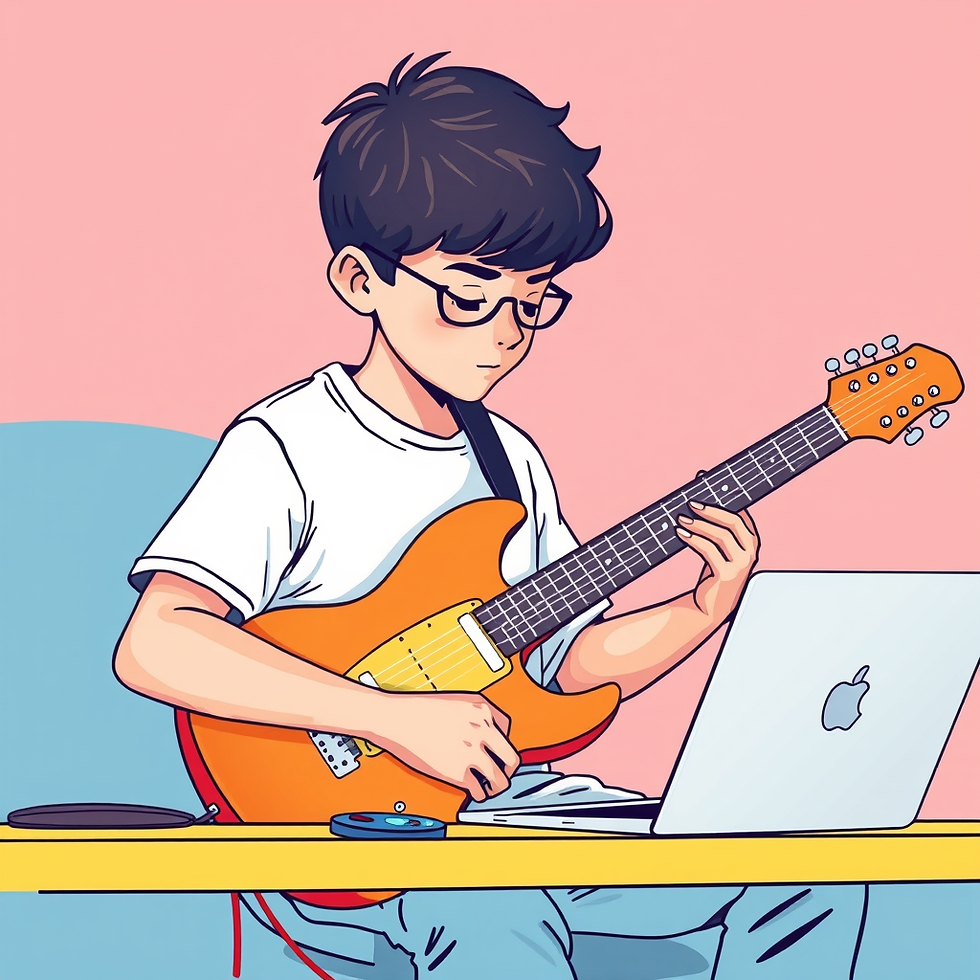
Learning to play an instrument is one of those magical experiences that can brighten your days and bring joy to your life. Whether you want your child to strum the guitar, tickle the keyboard, or bang the drums, or you yourself want to dive into music production, the digital age has made it easier than ever. You can now play instruments online from the comfort of your home, at your own pace, and with expert guidance. Sounds like a dream, right? Well, buckle up because I’m here to share how you can make that dream a reality.
Why You Should Play Instruments Online Today
Let’s face it - life is busy. Between work, school, and family, finding time to attend physical music classes can be tricky. Online learning offers flexibility that traditional lessons simply can’t match. You can schedule your practice sessions whenever you want, rewind tricky parts, and even pause to catch your breath. Plus, the internet is a treasure trove of resources - videos, tutorials, sheet music, and communities of fellow learners.
Here’s why playing instruments online rocks:
Access to expert teachers worldwide - no matter where you live.
Variety of instruments - guitar, keyboard, ukulele, drums, and even music production.
Interactive tools - apps and software that make learning fun and effective.
Cost-effective - often cheaper than in-person lessons.
Self-paced learning - perfect for kids and adults alike.
Imagine your child learning guitar chords while you sip your morning tea, or you mastering drum beats after a long day at work. It’s all possible.

How to Play Instruments Online: Getting Started
Starting your musical journey online is easier than you think. Here’s a simple roadmap to get you going:
Choose your instrument - Pick what excites you or your child the most. Guitar, keyboard, ukulele, drums, or music production? Each has its charm.
Find a reliable platform - Look for websites or apps with good reviews, qualified instructors, and structured courses. For example, if you want to learn to play an instrument online, there are excellent resources available.
Set up your space - Create a quiet, comfortable spot with your instrument ready. Good lighting and minimal distractions help.
Gather your tools - Besides the instrument, you might need a tuner, metronome, headphones, or a MIDI keyboard for production.
Schedule regular practice - Consistency beats intensity. Even 15 minutes daily can lead to big improvements.
Engage with the community - Join forums, social media groups, or online jam sessions to stay motivated.
Remember, the key is to enjoy the process. Don’t stress about perfection. Celebrate small wins like nailing a chord or completing a song.
Can I Teach Myself to Play an Instrument?
Absolutely! Self-teaching is not only possible but can be incredibly rewarding. I’ve seen many learners start with zero knowledge and become confident players through self-study. The internet is your best friend here. You get access to:
Step-by-step tutorials - from beginner to advanced.
Video demonstrations - watch finger placements and techniques.
Backing tracks - practice playing along with music.
Sheet music and tabs - learn to read and play songs.
Feedback tools - apps that listen and give you tips.
That said, self-teaching requires discipline and patience. Here are some tips to make it work:
Set clear goals: “I want to learn three chords this week” or “I want to play a simple song by Friday.”
Record yourself: Listening back helps spot areas to improve.
Mix theory and practice: Understanding music basics makes playing easier.
Don’t hesitate to ask for help: Online forums and teachers can answer your questions.
Celebrate progress: Every new skill is a step forward.
If you want a little extra structure, many online platforms offer courses with personalized feedback. This hybrid approach can be the best of both worlds.

Tips for Parents: Helping Your Child Succeed Online
If you’re encouraging your child to learn an instrument online, your support can make all the difference. Kids thrive with encouragement and a bit of structure. Here’s how you can help:
Create a routine - Set a regular practice time that fits their schedule.
Make it fun - Use games, challenges, and rewards to keep motivation high.
Be patient - Learning music is a journey with ups and downs.
Provide the right gear - A good quality instrument and headphones improve the experience.
Celebrate achievements - Whether it’s mastering a chord or performing a song, praise goes a long way.
Join in - Sometimes, learning together or showing interest can boost their enthusiasm.
Remember, the goal is to nurture a lifelong love for music, not just to perfect a skill quickly.
Beyond Playing: Exploring Music Production Online
Playing an instrument is fantastic, but why stop there? Music production is a whole new world where you can create, mix, and share your own music. Online courses and software make it accessible for beginners and pros alike.
Here’s how to get started with music production online:
Choose a Digital Audio Workstation (DAW) - popular options include FL Studio, Ableton Live, and GarageBand.
Learn the basics of recording, mixing, and editing.
Experiment with virtual instruments and loops.
Watch tutorials and follow step-by-step projects.
Share your creations with friends or online communities.
Music production can complement your instrument skills and open doors to new creative possibilities. Plus, it’s a great way for kids and adults to express themselves.
Your Musical Journey Starts Now
There’s no better time than today to dive into the world of music. Whether you want to strum your first guitar chord, tickle the ivories, or produce your own beats, online learning offers the tools and freedom to make it happen. Remember, every expert was once a beginner. So, grab your instrument, find a cozy spot, and start your musical adventure.
If you’re ready to take the plunge, check out resources where you can learn to play an instrument online. Your future self will thank you.
Happy playing!


Comments