
Fun Ways to Make Learning Music More Engaging
- Arvi School of Music
- Nov 5, 2025
- 3 min read
Learning music can sometimes feel like a daunting task, especially for beginners or young learners. However, incorporating fun and creative music activities can transform the experience into an exciting journey. When music education is engaging, it encourages consistent practice, boosts creativity, and helps develop a deeper appreciation for music. This article explores various ways to make learning music more enjoyable and effective through interactive and playful methods.
Creative Music Activities to Spark Interest
One of the best ways to keep learners motivated is by introducing creative music activities that go beyond traditional practice. These activities can include:
Rhythm Clapping Games: Use clapping patterns to teach rhythm and timing. Start with simple beats and gradually increase complexity.
Instrument Exploration: Allow learners to try different instruments to discover which one resonates with them.
Storytelling with Music: Create stories and assign musical themes or sounds to characters or events.
DIY Instruments: Make simple instruments like shakers or drums using household items.
These activities not only make learning fun but also develop essential skills such as listening, coordination, and creativity.

How to Use Music Activities for Better Learning
Music activities can be structured to target specific learning goals. Here are some practical ways to use them effectively:
Set Clear Objectives: Define what skill or concept the activity aims to teach, such as pitch recognition or rhythm.
Incorporate Movement: Combine music with physical movement to enhance memory and engagement.
Use Visual Aids: Charts, flashcards, and apps can help learners understand musical notes and symbols.
Encourage Group Participation: Group activities foster teamwork and make learning social and enjoyable.
Provide Immediate Feedback: Positive reinforcement helps learners stay motivated and correct mistakes early.
For those interested in more structured options, interactive music activities offer a variety of engaging exercises designed to make music learning dynamic and fun.

What Games Can You Play While Playing Music?
Games are a fantastic way to combine fun and learning in music education. Here are some popular games that can be played while engaging with music:
Musical Chairs: A classic game that teaches listening skills and quick reactions.
Name That Tune: Play short clips of songs and have learners guess the title or artist.
Rhythm Relay: Players pass a rhythm pattern around the group, each adding their twist.
Freeze Dance: Dance when the music plays and freeze when it stops, improving timing and control.
Note Scavenger Hunt: Hide note cards around the room and have learners find and identify them.
These games make practice sessions lively and help reinforce musical concepts in an enjoyable way.

Incorporating Technology in Music Learning Activities
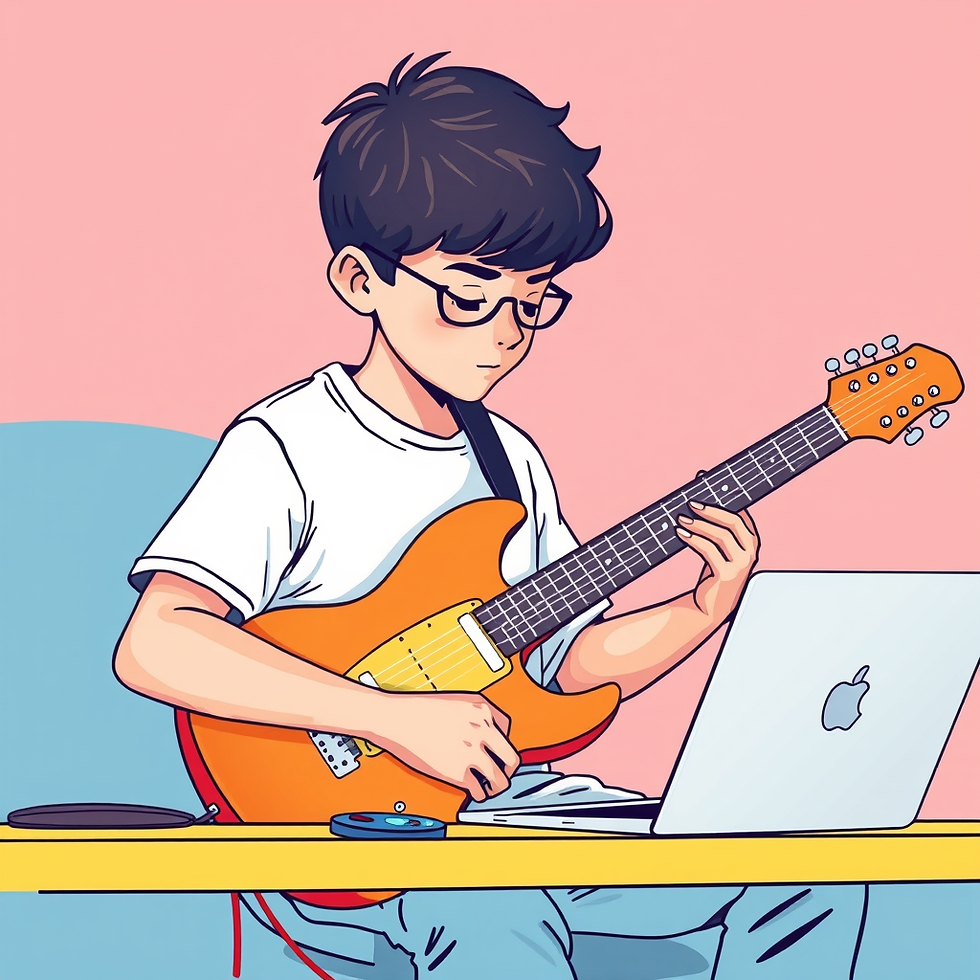
Technology can greatly enhance music learning by providing interactive tools and resources. Some ways to integrate technology include:
Music Apps: Use apps for ear training, rhythm practice, and virtual instruments.
Online Tutorials: Access video lessons and tutorials for visual and auditory learning.
Recording Software: Encourage learners to record and listen to their performances for self-assessment.
Virtual Ensembles: Participate in online group performances to build confidence and collaboration skills.
Using technology makes music learning accessible and adaptable to different learning styles.
Tips for Keeping Music Learning Fun and Consistent
Maintaining enthusiasm for music learning requires a balance of structure and creativity. Here are some tips to keep the process enjoyable:
Set Small Goals: Break down learning into manageable steps to avoid overwhelm.
Celebrate Progress: Acknowledge achievements, no matter how small.
Mix It Up: Alternate between different activities and instruments to keep things fresh.
Create a Music-Friendly Environment: Designate a comfortable and inspiring space for practice.
Involve Family and Friends: Sharing music with others can boost motivation and enjoyment.
By following these tips, learners are more likely to develop a lifelong love for music.

Making Music Learning a Joyful Experience
Music is a universal language that brings joy and connection. By incorporating fun music activities, games, and technology, learning becomes an adventure rather than a chore. Whether you are a beginner or looking to refresh your skills, these engaging methods can help you stay motivated and inspired. Remember, the key to mastering music is consistent practice paired with enjoyment. So, dive into these creative ideas and watch your musical journey flourish!


Comments