
Essential Materials to Kickstart Your Music Journey
- Arvi School of Music

- Nov 5, 2025
- 3 min read
Starting your music journey can be exciting and overwhelming at the same time. Whether you want to learn an instrument, improve your singing, or understand music theory, having the right materials is crucial. This guide will walk you through the essential items and resources you need to begin your musical adventure confidently.
Choosing the Right Instrument and Accessories
The first step in your music journey is selecting the instrument you want to learn. This choice depends on your musical interests, budget, and space availability. Here are some tips to help you decide:
Start with something manageable: If you are a beginner, consider instruments like the acoustic guitar, keyboard, or ukulele. These are relatively easy to learn and affordable.
Consider your musical goals: If you want to play in a band, a guitar or drums might be suitable. For classical music, piano or violin could be better.
Test before buying: Visit a music store to try different instruments. This hands-on experience helps you find what feels comfortable.
Once you have your instrument, invest in essential accessories such as:
A sturdy case or bag for protection and portability.
Tuner to keep your instrument in perfect pitch.
Metronome to develop your sense of timing.
Extra strings, picks, or reeds depending on your instrument.

Acoustic guitar with essential accessories for beginners
Utilizing Music Learning Resources for Effective Practice
Learning music requires consistent practice and access to quality learning materials. Fortunately, there are many music learning resources available online and offline to support your progress.
Online tutorials and courses: Websites and apps offer structured lessons for all skill levels. They often include video demonstrations, sheet music, and interactive exercises.
Books and sheet music: Start with beginner-friendly books that explain basics clearly. Gradually move to more advanced pieces as you improve.
Practice journals: Keep track of your daily practice sessions, goals, and progress. This habit helps maintain motivation and focus.
In addition, joining a local music group or community can provide valuable feedback and encouragement. Surrounding yourself with fellow learners and experienced musicians enriches your learning experience.

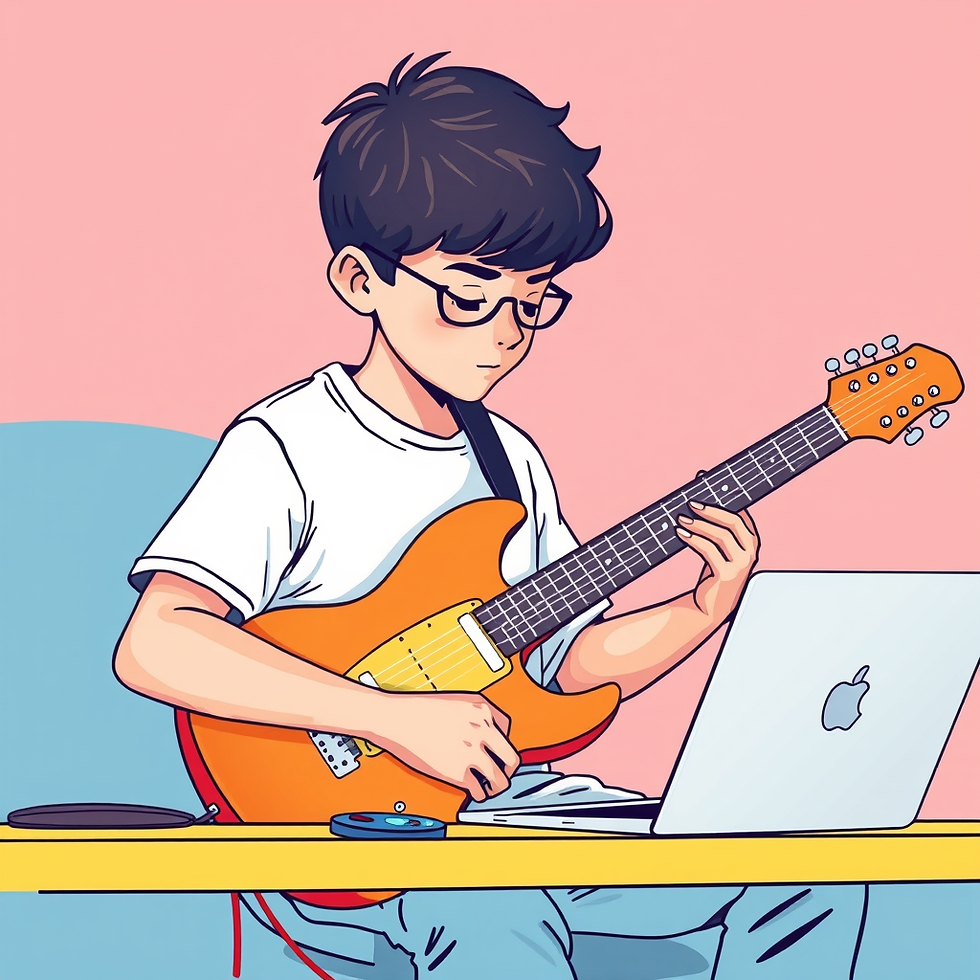
Online music lesson providing structured learning resources
How much should I charge for a 30 minute music lesson?
If you plan to teach music lessons, setting the right price is important. Here are some factors to consider when deciding how much to charge for a 30-minute session:
Your experience and qualifications: Beginners might charge less, while experienced teachers with certifications can command higher rates.
Local market rates: Research what other music teachers in your area charge. This helps you stay competitive.
Lesson format: In-person lessons often cost more than online sessions due to travel and space costs.
Student level: Beginners usually pay less than advanced students who require specialized instruction.
Additional services: Offering extra support like practice plans or performance coaching can justify higher fees.
Typical rates in many regions range from INR 300 to INR 1500 per 30-minute lesson, but this varies widely. Start with a reasonable price and adjust as you gain experience and reputation.

Music teacher conducting a guitar lesson with a student
Essential Tools to Enhance Your Music Practice
Beyond your instrument and learning materials, certain tools can significantly improve your practice sessions:
Recording device: Use your phone or a digital recorder to capture your practice. Listening back helps identify areas for improvement.
Music stand: Keeps your sheet music or tablet at eye level, promoting better posture.
Headphones: Useful for practicing with backing tracks or online lessons without disturbing others.
Software and apps: Programs like GarageBand, Ableton Live, or music theory apps can aid composition and ear training.
Incorporating these tools into your routine makes practice more efficient and enjoyable.
Building a Supportive Learning Environment
Creating a space dedicated to music practice can boost your motivation and consistency. Here are some tips to set up an ideal environment:
Quiet and comfortable area: Choose a spot with minimal distractions and good lighting.
Organized storage: Keep your instruments, accessories, and learning materials neatly arranged.
Inspirational decor: Posters of your favorite musicians or motivational quotes can keep your spirits high.
Regular schedule: Set specific times for practice to build a habit.
Remember, a positive environment nurtures creativity and helps you stay committed to your music journey.
Embarking on your music journey is a rewarding experience that requires the right materials, resources, and mindset. By choosing the right instrument, leveraging quality learning resources, setting fair teaching rates if you become an instructor, and creating a supportive practice space, you set yourself up for success. Keep exploring, practicing, and enjoying the beautiful world of music.


Comments