
Engaging Ways to Learn and Enjoy Music
- Arvi School of Music
- Nov 5, 2025
- 3 min read
Music is a universal language that connects people across cultures and ages. Learning and enjoying music can be a deeply rewarding experience, offering benefits such as improved memory, enhanced creativity, and emotional expression. Whether you are a beginner or someone looking to deepen your musical skills, there are many engaging ways to explore music activities that make learning fun and effective. This article will guide you through practical methods and ideas to immerse yourself in music, making the journey enjoyable and interactive.
Exploring Different Music Activities for Learning
When it comes to learning music, variety is key. Engaging in diverse music activities helps maintain interest and accelerates skill development. Here are some effective music activities to consider:
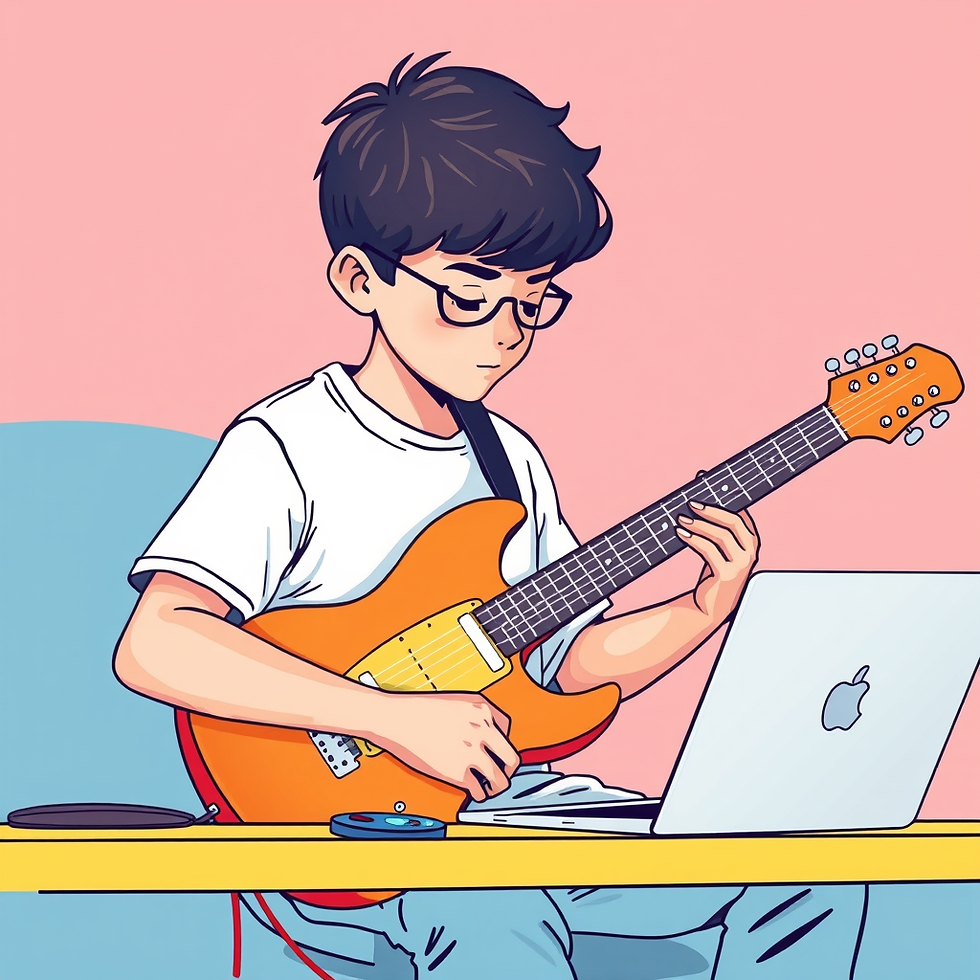
Instrument Practice: Choose an instrument that excites you, such as guitar, piano, or drums. Regular practice with clear goals helps build muscle memory and technical skills.
Singing and Vocal Exercises: Singing improves pitch recognition and breath control. Try simple scales, songs, or even join a choir.
Music Theory Games: Use apps or flashcards to learn notes, scales, and chords. Gamified learning keeps the process fun and interactive.
Listening and Analysis: Actively listen to different genres and styles. Try to identify instruments, rhythms, and melodies to sharpen your ear.
Composition and Songwriting: Experiment with creating your own music. Start with simple melodies or lyrics and gradually build complexity.
These activities can be tailored to your pace and preferences, ensuring a personalized learning experience.

How to Make Music Activities More Engaging
Engagement is crucial for sustained learning. Here are some tips to make your music activities more enjoyable and effective:
Set Clear, Achievable Goals
Break down your learning into small milestones. For example, mastering a simple song or a scale within a week.
Use Technology
Leverage apps and online tutorials that offer interactive lessons and instant feedback.
Join Groups or Classes
Learning with others provides motivation and social interaction. Group activities can include jam sessions or music workshops.
Incorporate Movement
Dance or clap along to rhythms to internalize beats and timing.
Reward Yourself
Celebrate progress with small rewards, like a new song to learn or a music-related accessory.
By integrating these strategies, music activities become more dynamic and less of a chore.

What Activities Can I Do While Listening to Music?
Listening to music is not just a passive activity. You can combine it with other engaging tasks to enhance your musical experience:
Drawing or Painting: Let the music inspire your creativity on canvas.
Dancing or Moving: Follow the rhythm with body movements to improve your sense of timing.
Writing Lyrics or Poetry: Use the mood of the music to spark your own creative writing.
Playing Along: If you have an instrument, try to play along with the music to improve your timing and ear.
Mindful Listening: Focus on different elements of the music, such as instruments, harmony, or lyrics, to deepen your appreciation.
These activities not only make listening more interactive but also help develop different musical skills.

Incorporating Interactive Music Activities into Your Routine
To truly enjoy and learn music, incorporating interactive music activities into your daily routine can be transformative. These activities encourage active participation rather than passive listening, which enhances retention and enjoyment. Examples include:
Call and Response Exercises: Mimic rhythms or melodies played by a teacher or app.
Music Quizzes and Challenges: Test your knowledge of music theory or song recognition.
Collaborative Music Making: Use online platforms to create music with others remotely.
Improvisation Sessions: Experiment with creating spontaneous music using your instrument or voice.
By regularly engaging in these interactive formats, you build confidence and deepen your connection with music.
Tips for Sustaining Your Music Learning Journey
Consistency and motivation are essential for long-term success in music. Here are some practical tips to keep your music activities enjoyable and sustainable:
Create a Dedicated Space: Set up a comfortable area for practice and listening.
Schedule Regular Sessions: Even 15-20 minutes daily can lead to significant progress.
Track Your Progress: Keep a journal or use apps to monitor improvements.
Stay Curious: Explore new genres, instruments, or music cultures.
Seek Feedback: Share your music with friends, teachers, or online communities for constructive input.
Remember, the goal is to enjoy the process as much as the results.
Engaging with music through varied and interactive activities opens up a world of creativity and joy. Whether you are practicing an instrument, composing, or simply listening mindfully, these approaches make learning music a fulfilling adventure. Embrace these ideas and watch your musical skills and appreciation grow day by day.


Comments