
Arvi’s AI use for music education- disclosures
- Rahul Raghavan
- Jun 29
- 2 min read

Dear students,
I wanted to share some of our experiments and successes with AI at the school.
At the moment, AI is being used on two fronts.
Most importantly, it is being used in classroom teaching. These are well-researched educational tools for teaching instruments and specific subjects such as music theory and ear training. Until recently, I had only seen tools like these in elite music universities or high-end music production courses.
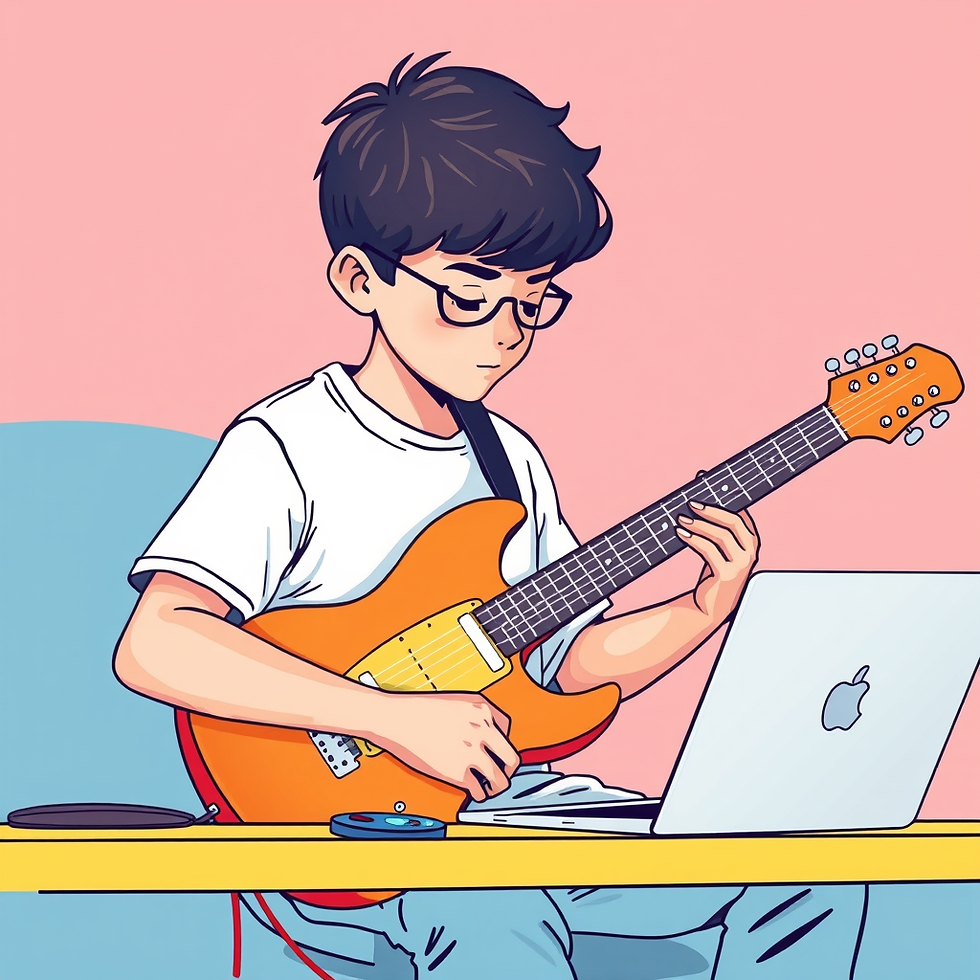
We began implementing them about six months ago, and I’ve noticed three groups of students who have really taken to them. First are students pursuing goal-oriented courses such as ear training, music theory, and music composition. Second are our newest learners, who are using these tools right at the beginning of their musical journey. Finally, our most advanced students have also benefited, as some of these tools go beyond the requirements of many professional musicians. Such systems, creativity, and innovation make our music course possibly one of the best in the country.
The second use-case is behind the scenes. AI has simplified much of the work involved in running the music school and has saved me a considerable amount of time. If we were giving 120% before, it now feels possible to give 150%.
Many administrative tasks, whether preparing music sheets, organising the syllabus, sending fee reminders, or managing fees, are now supported by scripts and code. Instead of starting from scratch, I simply refine or edit the output. The entire process is much smoother. I have never particularly enjoyed the administrative side of running a music school, especially the financial side, like sending fee reminders. I know the economics are important, but I’ve always wished I could simply play music in exchange for a month’s worth of groceries. Sounds like a naive version of the future?
That said, there are parts of this profession that I genuinely enjoy and don’t want AI interfering with. Those include my conversations with students and parents, the art of music composition, designing and curating our syllabus, and experimenting with new ideas in the classroom.

AI also has no role in drawing from my 12 years of teaching experience, our shared love for performance, or our vision for helping each student set meaningful goals. These are the things that have remained, and for the most part will continue to remain, untouched by AI.
As technology evolves, I think it’s important that we embrace what genuinely helps us while holding on to the parts of teaching and music-making that matter most. It’s important to keep with us all that is dear to us.


Comments